
Stay Inspired with Instagram
Lead Follow-Up Automation
How Lead Follow-up Automation Services Moves a Customer Toward Yes
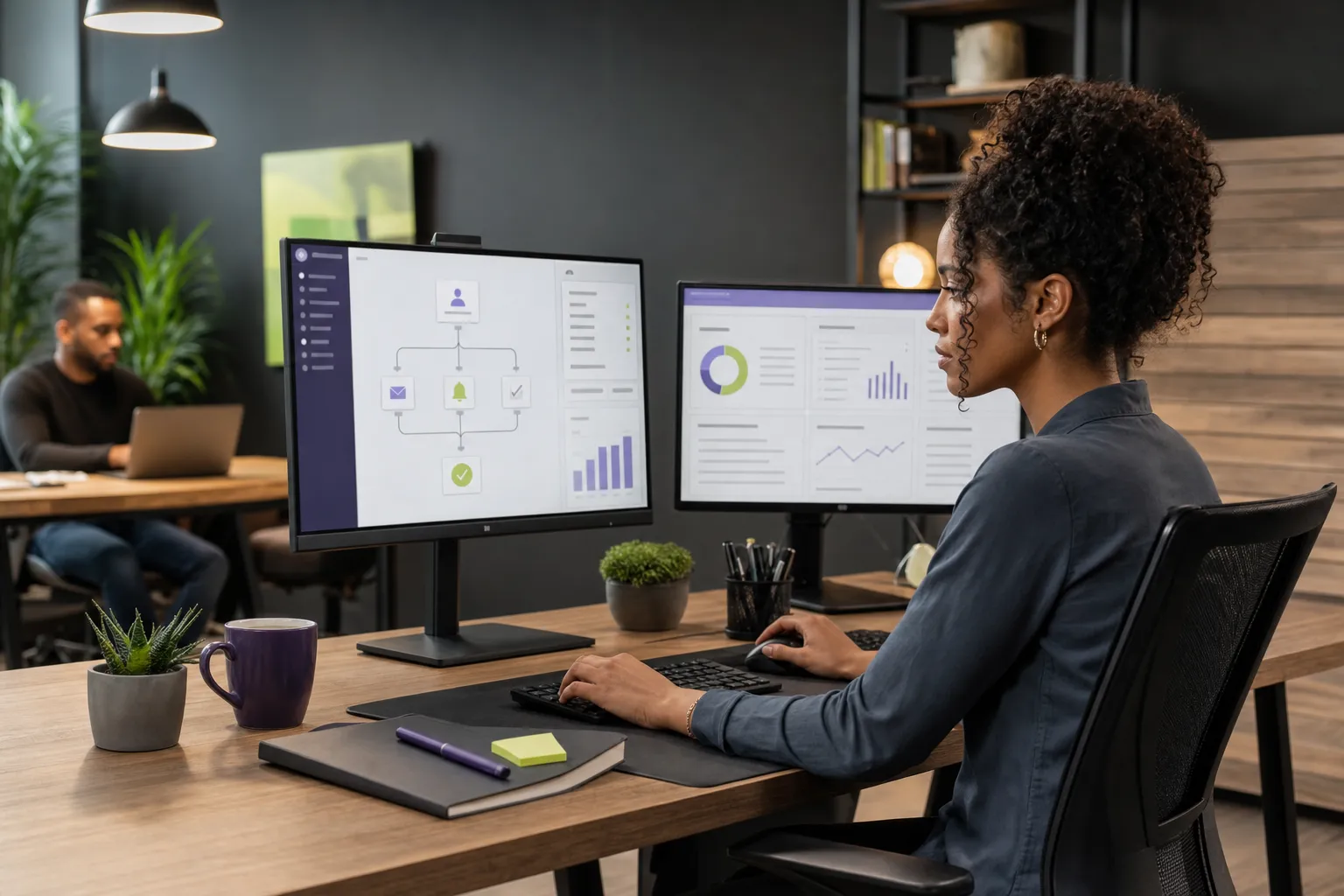
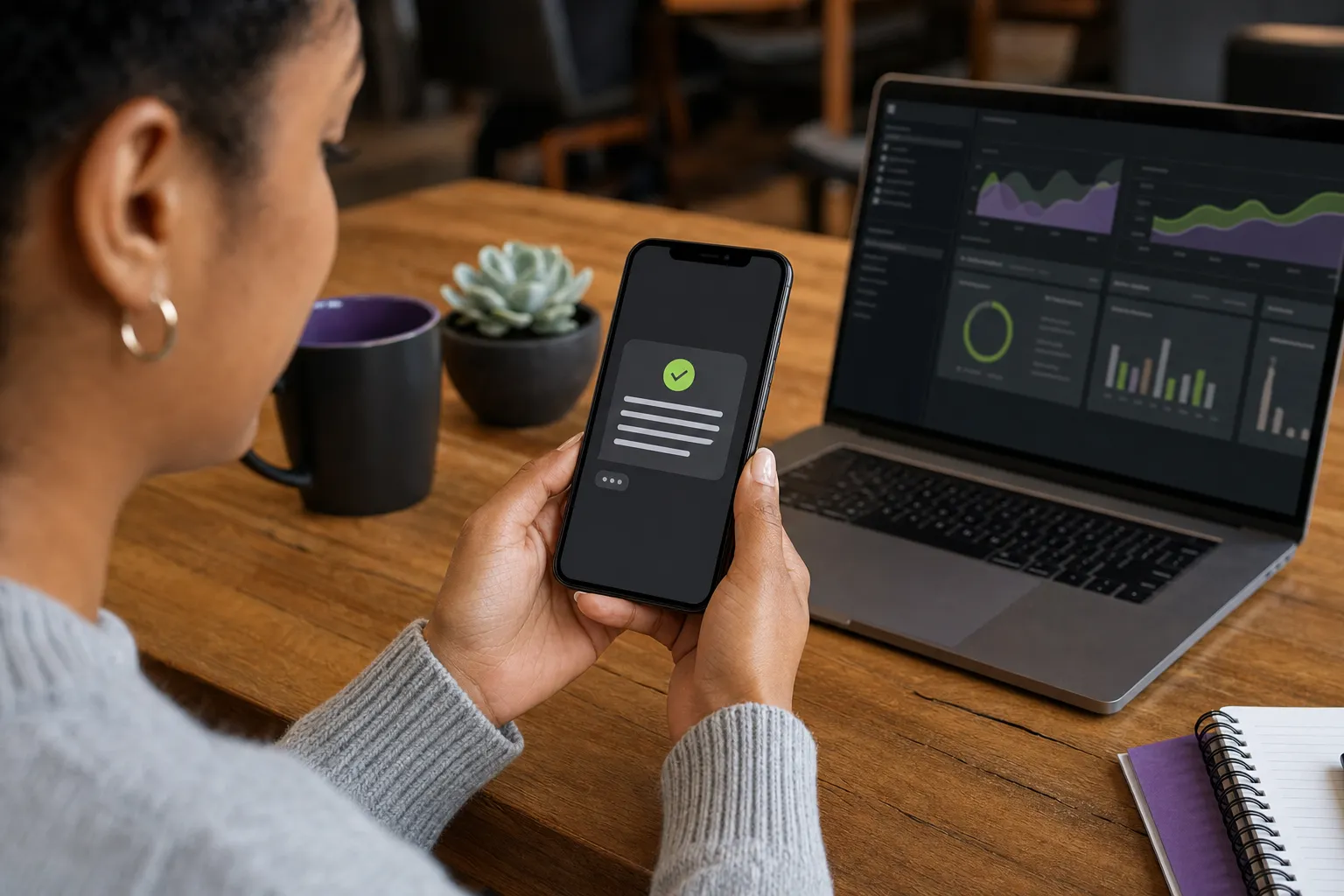
With Lead Follow-up Automation Services in the United States, teams that need a reliable customer or follow-up workflow get a deliberate way to keep the next helpful message from being forgotten. The work starts with the offer, the people it must reach, and the point where a visitor, lead, or customer needs to make a decision. That keeps lead follow-up automation connected to a business outcome instead of a collection of disconnected tactics.
Premius Marketing brings the planning, production, review, and handoff into one accountable process. We identify what is blocking progress, recommend the smallest useful scope, and show how each deliverable supports faster, more consistent follow-up with less repetitive administration. For U.S. businesses, the method stays practical: clear language, honest boundaries, an approval path, and a next step that fits the systems you already use. If follow-up depends on memory, manual copying, and disconnected tools instead of a dependable process, request a free quote.
Lead Follow-Up Automation Benefits
The reason to invest in lead follow-up automation is not to collect another deliverable. It is to remove a specific obstacle: follow-up depends on memory, manual copying, and disconnected tools instead of a dependable process. Premius Marketing begins by making that obstacle concrete, then builds the message, workflow, page, campaign, or asset around the decision your customer or team actually needs to make.
Our role is more than production. We challenge vague promises, connect the work to the rest of your marketing, and review the finished result before it reaches customers. That gives you a documented automation workflow your team can understand, test, and own, with a clear approval path and a sensible next step when the first version is live. We do not promise an outcome no agency can guarantee; we promise thoughtful process, direct communication, and work measured against its purpose.
That is where lead follow-up automation services should earn its place: by making the customer decision easier and the next action clearer.
A Better Result From Lead Follow-up Automation Services
Make the next step obvious for people evaluating lead follow-up automation.
Keep the work tied to the decision lead follow-up automation must improve.
Connect strategy, execution, and review in one lead follow-up automation workflow.
Receive lead follow-up automation in a form your team can publish, launch, or maintain.


Lead Follow-Up Automation Options
Related Services That Strengthen Lead Follow-up Automation Services
Lead Follow-Up Automation rarely works in isolation. The related services below are selected because they can support the same customer journey, strengthen the same campaign, or remove a nearby bottleneck. Choose the link that matches the problem you are actually trying to solve; there is no value in adding work that does not move the decision forward.
Our recommendations also follow the principle of useful, people-first marketing. See the United States’s Anti-Spam Legislation guidance on consent for the external guidance that informs this part of the planning.
Our recommendations follow people-first search guidance. Google's SEO Starter Guide explains how useful content, clear page purpose, and crawlable links help visitors and search engines understand a website.



 Connected Marketing Workflows





Work With Premius Marketing
Why Choose Premius Marketing for Lead Follow-Up Automation?

We connect lead follow-up automation to the customer or business decision it is meant to improve. That keeps the scope focused on a result you can recognise, approve, and act on—not a list of disconnected tasks. This keeps lead follow-up automation services connected to the business decision it must support.
Your audience should understand what lead follow-up automation solves, why it matters, and what to do next. We turn the offer into clear language and proof that helps the right buyer move forward. This keeps lead follow-up automation services connected to the business decision it must support.
You do not have to coordinate separate strategists, writers, designers, or implementers for lead follow-up automation. We keep the handoffs visible in one workflow so decisions stay connected and momentum does not disappear between suppliers. This keeps lead follow-up automation services connected to the business decision it must support.
Before delivery, we review lead follow-up automation for accuracy, brand fit, clarity, usability, and the promised next action. That catches the details that rushed production and automated tools often miss. This keeps lead follow-up automation services connected to the business decision it must support.
You receive lead follow-up automation in a usable format with the files, instructions, and approvals needed for publication or implementation. The handoff is part of the service, not an unfinished task left to your team. This keeps lead follow-up automation services connected to the business decision it must support.
We explain what to watch after lead follow-up automation is delivered, what belongs to your team, and which improvement should come next. That turns the project into a useful operating decision rather than a one-time transaction. This keeps lead follow-up automation services connected to the business decision it must support.
What Is Included
Our lead follow-up automation services in the United States scope is shaped around the work that will make the next decision easier. It can include discovery, message and audience alignment, implementation or production, review, and a clear handoff. The final scope depends on your current assets, systems, timeline, and the result lead follow-up automation must support.
This page sits within the Premius Marketing service system. Related support may include Marketing Automation Services in the United States, Crm Automation Services in the United States, Lead Capture Systems in the United States, but only when the next service solves a genuine follow-on need. You will receive a recommended sequence rather than a forced bundle. For U.S. teams, we also account for service area, language needs where relevant, customer expectations, and the practical approval process that keeps the work accurate after launch.
See the digital marketing services hub for the wider Premius Marketing service system.
What Lead Follow-up Automation Services Includes
Clarify what lead follow-up automation must help the business and its customers decide.
Shape the promise, proof, and call to action so lead follow-up automation is easy to understand.
Map the channels, tools, approvals, and responsibilities required to deliver lead follow-up automation well.
Create, configure, or produce the agreed lead follow-up automation work against the approved brief.
Review lead follow-up automation for accuracy, brand fit, accessibility, and the customer action it is meant to support.
Deliver lead follow-up automation in a usable format and identify the next evidence-based improvement.
Our Lead Follow-Up Automation Process
A Practical Lead Follow-up Automation Services Process From Brief to Delivery

Brief and Opportunity Review
We review the current lead follow-up automation setup, the audience, the offer, and the decision the work must support. This keeps the project grounded in a real business need.
01

Message and Delivery Plan
We define the content, system, channel, or production plan for lead follow-up automation, including what your team must approve and what success should look like.
02
Build, Produce, or Configure
We execute the agreed lead follow-up automation work, keeping the important handoffs visible and resolving questions before they become expensive rework.
03

Review, Handoff, and Next Step
We check the finished lead follow-up automation work, deliver it in a usable format, and explain what to measure or improve next.
04
Lead Follow-Up Automation FAQ
Questions About Lead Follow-Up Automation

Lead Follow-Up Automation can include discovery, planning, implementation or production, review, and a practical handoff. The exact scope is agreed after we understand your audience, current systems, offer, timeline, and the result lead follow-up automation must support.
This service is a strong fit when follow-up depends on memory, manual copying, and disconnected tools instead of a dependable process. Premius Marketing will first confirm the problem, the available assets, and the decision you need the work to improve so you do not buy a package that does not fit. The scope is adjusted to the business need rather than treated as a generic lead follow-up automation services package.
We connect strategy to execution, keep approvals visible, and review the finished work before delivery. You receive a clear brief, a defined scope, and an explanation of how lead follow-up automation supports the next step in the customer journey. The scope is adjusted to the business need rather than treated as a generic lead follow-up automation services package.
Often, yes. We review the pages, platforms, assets, and workflows already in place before recommending a change. Useful work is retained where it helps, while gaps and risky assumptions are handled deliberately instead of being copied into a new setup. The scope is adjusted to the business need rather than treated as a generic lead follow-up automation services package.
The measures depend on the service, but we define useful signals before delivery: clearer engagement, qualified enquiries, completed actions, response quality, reduced manual work, or a more reliable handoff. The point is to connect lead follow-up automation to a business decision, not a vanity number. The scope is adjusted to the business need rather than treated as a generic lead follow-up automation services package.
Request a free quote and share the current situation, the audience you want to reach, and the outcome you need. Premius Marketing can then identify the highest-value first step and recommend a practical scope for lead follow-up automation. The scope is adjusted to the business need rather than treated as a generic lead follow-up automation services package.